
4 community-listed spots
Stargazing spots in Washington
Find places to get outside under the night sky, with photos, community ratings, and practical details.
Locations in Washington
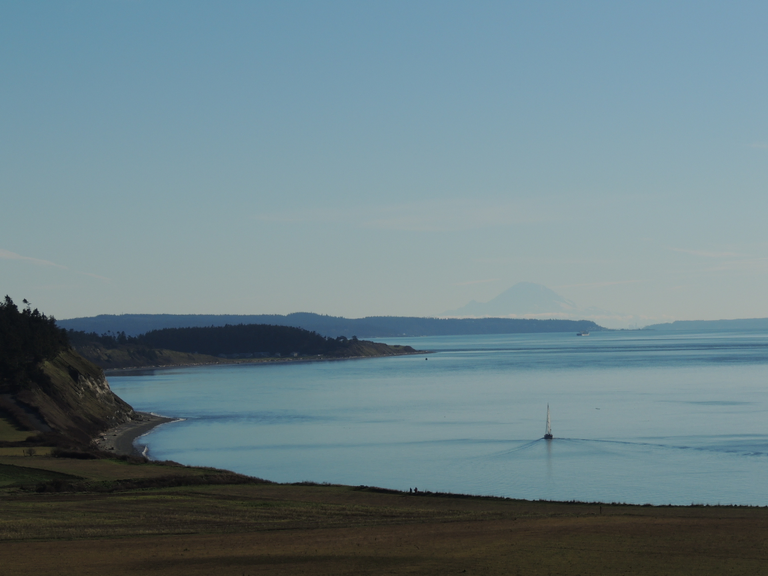
Ebey's Landing National Historical Reserve
This stunning landscape on the Salish Sea, with its rich farmland and promising seaport, lured the earliest American pioneers north of the Columbia River to Ebey’s Landing. Today Ebey’s Landing National Historical Reserve preserves the historical, agricultural and cultural traditions of both Native and Euro-American – while offering spectacular opportunities for recreation. The National Park Service lists this location for astronomy activities.
Plan a visit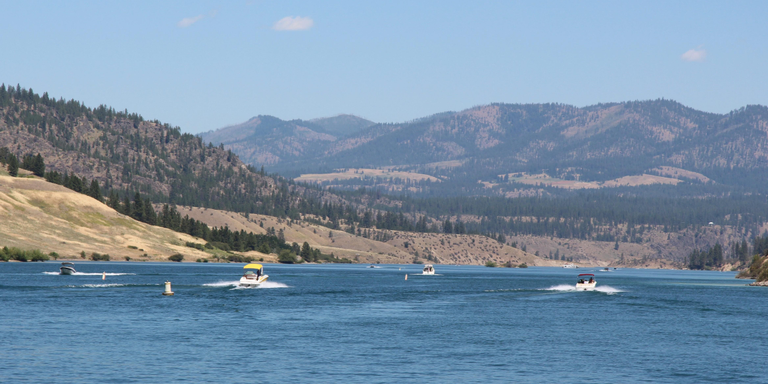
Lake Roosevelt National Recreation Area
The ancient geologic landscape of the upper Columbia River cradles Lake Roosevelt in walls of stone carved by massive ice age floods. Come explore the shorelines and learn the stories of American Indians, traders and trappers, settlers and dam builders who called this place home. Swim, boat, hike, camp, and fish at this hidden gem in Northeast Washington, created by the Grand Coulee Dam. The National Park Service lists this location for astronomy activities.
Plan a visit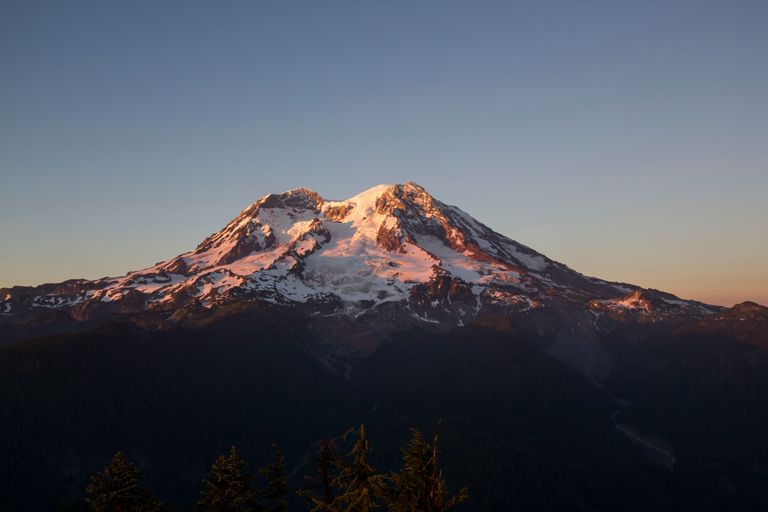
Mount Rainier National Park
Ascending to 14,410 feet above sea level, Mount Rainier stands as an icon in the Washington landscape. An active volcano, Mount Rainier is the most glaciated peak in the contiguous U.S.A., spawning five major rivers. Subalpine wildflower meadows ring the icy volcano while ancient forest cloaks Mount Rainier’s lower slopes. Wildlife abounds in the park’s ecosystems. A lifetime of discovery awaits. The National Park Service lists this location for astronomy activities.
Plan a visit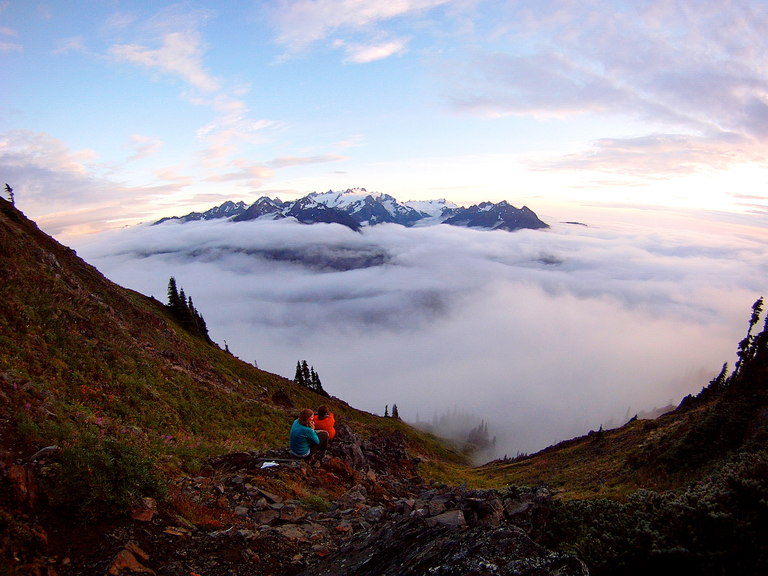
Olympic National Park
With its incredible range of precipitation and elevation, diversity is the hallmark of Olympic National Park. Encompassing nearly a million acres, the park protects a vast wilderness, thousands of years of human history, and several distinctly different ecosystems, including glacier-capped mountains, old-growth temperate rain forests, and over 70 miles of wild coastline. Come explore! The National Park Service lists this location for astronomy activities.
Plan a visit